

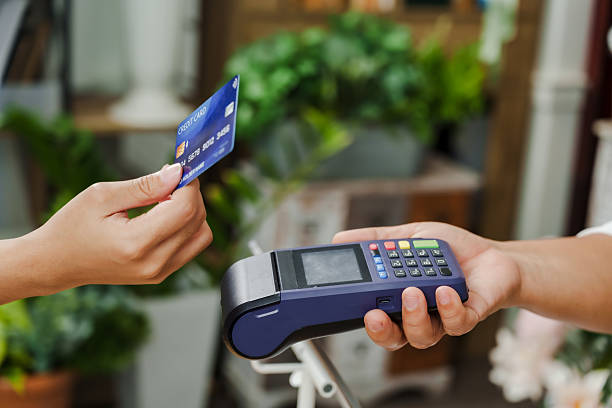
Credit card cashing refers to practices that allow a cardholder to obtain cash using available credit. Depending on the service or method involved, the process may involve purchasing goods or services and receiving cash in return after fees or other charges. Because practices vary by provider and jurisdiction, beginners should understand how these services work and carefully review the terms before proceeding.
Understanding Credit Card Cashing
Credit card cashing is different from making a normal purchase with a credit card. Instead of using the card directly to pay for goods or services, the objective is generally to obtain cash from available credit.
The exact process, fees, eligibility requirements, and legal status can vary considerably. Some arrangements may also violate the terms of a credit card agreement, particularly when transactions are structured to create cash without a genuine purchase.
Advantages of Credit Card Cashing
Quick Access to Available Credit
One commonly cited advantage is the possibility of accessing funds relatively quickly when a person has available credit. This can appear convenient when someone needs short term access to money and does not want to go through a lengthy application process.
However, quick access does not necessarily mean low cost. Fees and interest can make the overall expense significantly higher than expected.
Convenient Use of Existing Credit
Credit card cashing may allow users to make use of an existing credit limit rather than applying for a completely new financial product. For someone who already has available credit, this can appear more convenient than arranging another form of financing.
Users should remember that available credit is borrowed money and normally has to be repaid according to the card agreement.
Potentially Simple Process
Some services advertise straightforward procedures with limited documentation. This can make them appear easier to understand than traditional lending products.
Despite this apparent simplicity, users should verify the transaction structure, applicable charges, repayment requirements, and whether the activity is permitted under their card issuer’s terms.
Flexible Access to Funds
Cash can generally be used for a variety of legitimate personal expenses. This flexibility is one reason some people consider converting available credit into cash.
The flexibility should be balanced against the repayment obligation. Using credit for everyday expenses can become expensive if the balance remains unpaid for an extended period.
Important Costs to Understand
Before considering any credit card cashing arrangement, users should examine all associated costs. These may include service fees, transaction charges, cash advance fees, interest, and other expenses.
The effective cost can be considerably higher than the amount initially received. Reading the complete terms before making a transaction is therefore important.
Credit Card Cashing and Credit Scores
The effect on a credit profile depends on the transaction and the card issuer’s policies. It is not appropriate to assume that every form of credit card cashing will have no effect on creditworthiness.
High balances, missed payments, increased credit utilization, or violations of card terms can create financial consequences. Users should review their card agreement and repayment obligations carefully. The site provides general information about 신용카드 현금화 and related credit card cashing services.
Legal and Contractual Considerations
Credit card cashing practices can have different legal and regulatory implications depending on the country and the specific transaction.
A transaction that appears to be an ordinary purchase may create problems if it is actually designed to obtain cash through a prohibited arrangement. Some card issuers may restrict transactions that involve artificial purchases or other forms of cash conversion.
For this reason, users should verify that any proposed method is lawful and permitted by their card issuer.
Safer Financial Planning
Anyone considering credit card cashing should first compare alternatives such as a legitimate bank loan, an authorized credit card cash advance, an employer payment option, or other regulated financial products.
Comparing the total repayment amount rather than focusing only on the amount of cash received can provide a clearer picture of the actual financial cost.
Frequently Asked Questions
What is credit card cashing
Credit card cashing generally describes methods of obtaining cash using available credit on a credit card. The specific process and legality depend on the method and jurisdiction.
Is credit card cashing the same as a normal purchase
No. A normal purchase involves paying for genuine goods or services. Some cashing arrangements use transactions for the primary purpose of obtaining cash, which may be treated differently by a card issuer.
Are there fees for credit card cashing
Fees may apply depending on the method and provider. Users should check all transaction fees, service charges, interest rates, and repayment conditions before proceeding.
Can credit card cashing affect creditworthiness
It can, depending on factors such as the resulting balance, repayment behavior, credit utilization, and the policies of the card issuer.
Summary
Credit card cashing can appear attractive because it may provide convenient access to funds through existing credit. Potential advantages include speed, convenience, and flexibility. However, these benefits need to be considered alongside fees, repayment obligations, contractual restrictions, and possible legal issues.
Beginners should carefully compare legitimate financial alternatives, read the applicable card agreement, and understand the total cost before making any decision involving credit card cash.
